Gambling's toll understanding the mental health consequences
Gambling's toll understanding the mental health consequences
The Psychological Impact of Gambling
Gambling can have profound psychological effects on individuals, often leading to anxiety, depression, and a myriad of stress-related disorders. The thrill of betting and the potential for significant financial gain can create an addictive cycle. In this context, many players prefer to play online, allowing for a fast-paced experience. Once a person becomes emotionally invested in gambling, their mental well-being can quickly deteriorate, resulting in compulsive behaviors that overshadow other aspects of life.
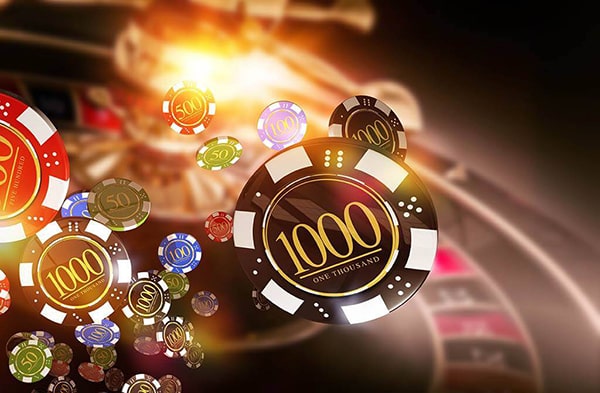
Moreover, the intermittent reinforcement that gambling provides can exacerbate these mental health issues. Winning creates a temporary high, while losses can lead to feelings of shame and despair. This rollercoaster of emotions is detrimental, making it challenging for individuals to break free from the cycle of gambling.
Understanding Gambling Addiction
Gambling addiction is recognized as a mental health disorder, characterized by an uncontrollable urge to gamble despite harmful consequences. Individuals may find themselves prioritizing gambling over relationships, work, and personal responsibilities, often leading to financial ruin and isolation. Understanding this addiction is essential to recognizing its severe implications, as it can have far-reaching effects on one’s life.
Many people may mistakenly believe they can control their gambling, thinking it’s merely a hobby. However, the reality is that gambling addiction can manifest in physical and emotional symptoms, making it crucial to seek help. Professional treatment often involves therapy and support groups to help individuals understand their triggers and develop healthier coping mechanisms.
The Role of Luck vs. Skill in Gambling
The debate between luck and skill in gambling is significant when considering its psychological toll. While certain games may involve skill, such as poker, many forms of gambling rely heavily on luck. This reliance can lead to a false sense of confidence, with players believing that their skills can influence outcomes, resulting in continued play despite mounting losses. This phenomenon highlights the delicate balance players must navigate.
This illusion of control can be particularly dangerous, as it may encourage individuals to chase losses, hoping that skill will eventually lead to a win. This cycle reinforces the gambling addiction, as individuals become more entrenched in the belief that they can overcome their luck through skill alone.
Support Systems and Resources
Support systems are vital in addressing the mental health consequences of gambling. Family, friends, and professional counselors play crucial roles in providing the necessary encouragement to seek help. Those struggling with gambling addiction benefit from discussing their experiences in a supportive environment, where they can express their feelings and receive validation.
Numerous resources are available for individuals seeking help. Organizations offer counseling, hotlines, and support groups specifically focused on gambling addiction. These platforms can aid individuals in recognizing their struggles and finding ways to cope and recover from the mental health toll that gambling can impose.

Join Us for a Healthier Gaming Experience
At our platform, we prioritize the mental well-being of our users. We understand the excitement that comes with gambling but also recognize the potential risks involved. By promoting responsible gaming practices, we aim to create a safe environment where players can enjoy the thrill of gaming without jeopardizing their mental health.
We offer resources and guides to help players make informed decisions and understand their limits. Our commitment is to ensure that gaming remains a fun and healthy activity, allowing everyone to reap the rewards without suffering the toll on their mental well-being.